
Destinations
Host University
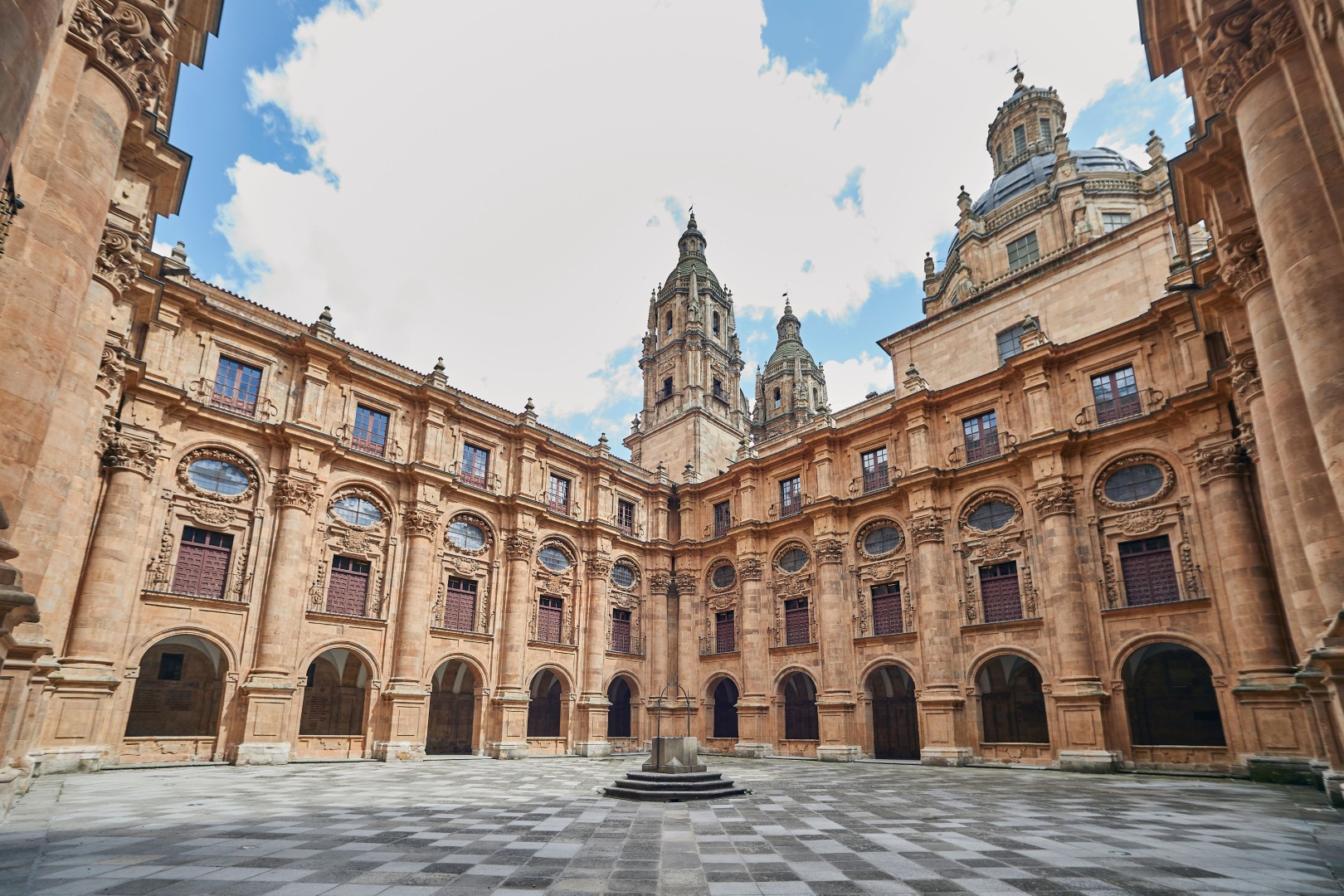
The Pontifical University of Salamanca is a modern, private, catholic institution committed to meeting the needs of society. It was founded in 1940 by the order of His Holiness Pius XII to continue the studies of Theology and Canon law that the University of Salamanca had abolished in 1852. Currently, there are 5,000 students and a team of 300 professors, researchers and administration and services personnel. The university offers 21 official degrees. Today, more than ever, we live in a world where there is an excess of knowledge, but also a great lack of understanding. We have developed technologies that make commercial activities easier and facilitate our lives, but at the same time isolate and oppress people, distancing them from moral values, such as effort, and leading them to question our leaders and institutions. The Pontifical University of Salamanca as a higher education institution is dedicated to research and the transfer of knowledge, incorporating excellence and responsibility, and training professionals who will be able to tackle the future with foresight, fairness and charity.
Classes will take place at UPSA and at UPSA partner institution in Salamanca, MESTER.
Academic Program
GLOBAL HEALTH SCIENCES (with internship at local hospital/health center). June, July and Combo June/July
COURSES AVAILABLE
Overview
- Minimum GPA: 2.50
- Language of instruction: English and Spanish
- Language requirements: None for English courses. Intermediate/High Intermediate for Spanish Content Courses, and High Intermediate/Advance for the Internship component.
- Before arrival students take an online test to determine language proficiency.
- Place of instruction: UPSA and Mester Campuses.
- Participants: International students
- Students take 2 courses (100 hours) for each session, June or July, and 200 for the Combo June/July.
- Attendance in all classes is mandatory and monitored by each professor.
- Periodic exams, homework assignments and final exams will also be administered.
DATES AND PRICES
| TERM | Program Dates | Application Date | Payment Date | Price |
|---|---|---|---|---|
| June | End May-End June | Apr 1st | Apr 15th | TBC |
| July | End June-End July | May 1st | May 15th | TBC |
| Combo Jun-July | End May-End July | April 1st | April 15th | TBC |
ACADEMIC CREDITS
Credits are provided by the Universidad Pontificia de Salamanca. We recommend that all students receive approval of credits from their advisors at their home institution before they register. Number of credits approved will also depend on students' home institution.
| TERM | CONTACT HOURS | RECOMMENDED CREDITS |
|---|---|---|
| June | 100 | 6 |
| July | 100 | 6 |
| Combo June-July | 200 | 12 |
COURSES AVAILABLE
| CODE | COURSE TITLE | CONTACT HOURS | LANGUAGE |
|---|---|---|---|
| SP-01 | Spanish for Health Professionals –mandatory for semester programs- (3 different levels) | 50 | Spanish |
| HS-02 | Psychosocial Aspects of Physiotherapy | 50 | English |
| HS-03 | Applied Psychology | 50 | English |
| HS-04 | Alternative Medicine | 50 | English |
| HS-06 | Social and Economic Aspects of Public Health | 50 | English |
| SP-07 | Spanish Civilization and Culture | 50 | Spanish |
| SP-08 | Spanish for Business | 50 | Spanish |
| SP-09 | Internship Component | 50 | Spanish |
Housing
Students may choose from the following housing options: Home Stay, Residence Halls (at an additional fee), Shared apartments, and Independent living. ALA always tries to provide first student housing choice, but we cannot guarantee it. It is why we recommend students to apply in advance so they have better chances to obtain their preferred option.
Home stay:
Staying with a host family is a way to enrich student’s experience and to reinforce the knowledge gained during the program. We select our families carefully and know them for years. All of them have extensive experience accommodating foreign students. Upon arrival students receive a key of the house so they may come and go as they please. Two daily meals are provided and one laundry load per week.
Residence:
This is an off-campus student’s residence. Spaniards and international students are residents of this option mostly in double rooms, depending on availability some singles may be offered as well. Kitchen and bathroom may be private or shared. There are also common areas. Usually, the residence offers laundry facilities and meals may be, or not, included. An additional fee is required.
Shared apartment:
These apartments are shared by international students. They mostly have double bedrooms, a fully equipped kitchen with cooking utensils, washing machine and refrigerator, and shared bathrooms. Students must respect building community rules and maintain the apartment in decent conditions. The price of accommodation includes the cost of utilities (electricity, gas, water) within reasonable expending. Meals are not included.
Excursions
ALA will provide excursions to all students participating in summer, semester and academic year programs. This will allow our students to get familiar with some of the most interesting cities and areas in Spain from cultural, artistic, and historic perspectives. These are some examples of previous excursions:
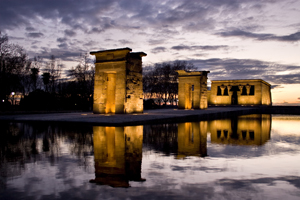
Madrid is the capital of Spain and its largest city. It is the most important economic and financial center of the Iberian Peninsula. Full of great Museums (El Prado, Reina Sofía…) Madrid offers endless cultural opportunities and a vibrant social life. Walking through the streets of Madrid quarters (Habsburg, Bourbon) visitors will discover its long and interesting history at the same time that admire Madrid’s modern business districts. Madrid is an open city that received much of its populations from other parts of Spain. In the last years it has also received large numbers of people from other countries. This provides contributes to the truly cosmopolitan flavor of the capital of Spain.
El Escorial is considered the “Eighth Wonder of the World”. Built during Phillip’s II times it is an all in one palace, monastery, library, and pantheon where most of Spanish kings and queens are buried. It is the great architectural civil work of the 16th century in Spain that resembles the power of the Spanish Monarchy. Located 30 miles North East of Madrid, at the foothills of the Sierra, it is a perfect destination to immerse oneself and feel what Imperial Spain was.
Segovia:
The old city of Segovia is located at the top of a promontory, originally for defensive purposes, and offers a series of magnificent monuments to its visitors.
The most impressive one is the Roman aqueduct. It is one of the most prefect examples of Roman civil architecture, and it was built around 1sr century BC. The city is full of medieval and renaissance examples of civil, military and religious architecture among which the Alcázar (fortress) and Cathedral stand out.
Ávila:
Famous for being one of the best conserved walled cities in Europe Ávila also offers visitants its singular cathedral and the mystic works of Santa Teresa de Jesús.
La Alberca-Sierra de Francia:
La Alberca is a medieval town where visitors may admire how traditional, centuries old, houses stand in perfect shape combining themselves with the natural landscape of the surroundings. It is very appealing having a traditional lunch in the town plaza in the middle of the silence of this enchanting village. To complete the day students will visit the Sierra de Francia and have the possibility to do some tracking.
Aveiro-Porto:
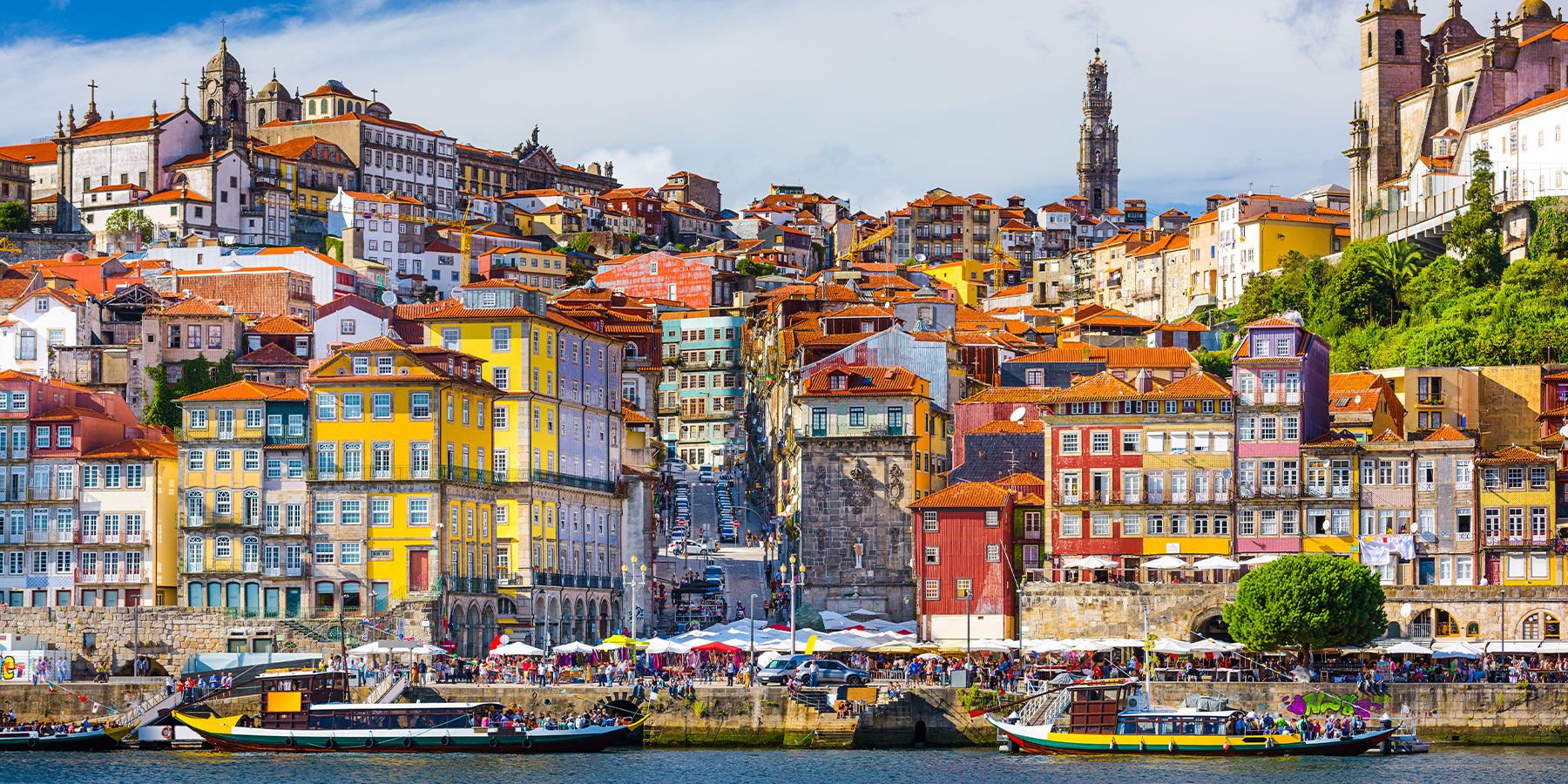
Visiting these two cities in Portugal provide students another opportunity to know another European country. Aveiro offers a relaxing atmosphere in its beautiful beaches along its coastline. Porto is the second largest city in Portugal with an enchanting old quarter, along the Douro River, and its famous Porto wineries. Our students will have the opportunity to visit them and admire this romantic city.
Activities
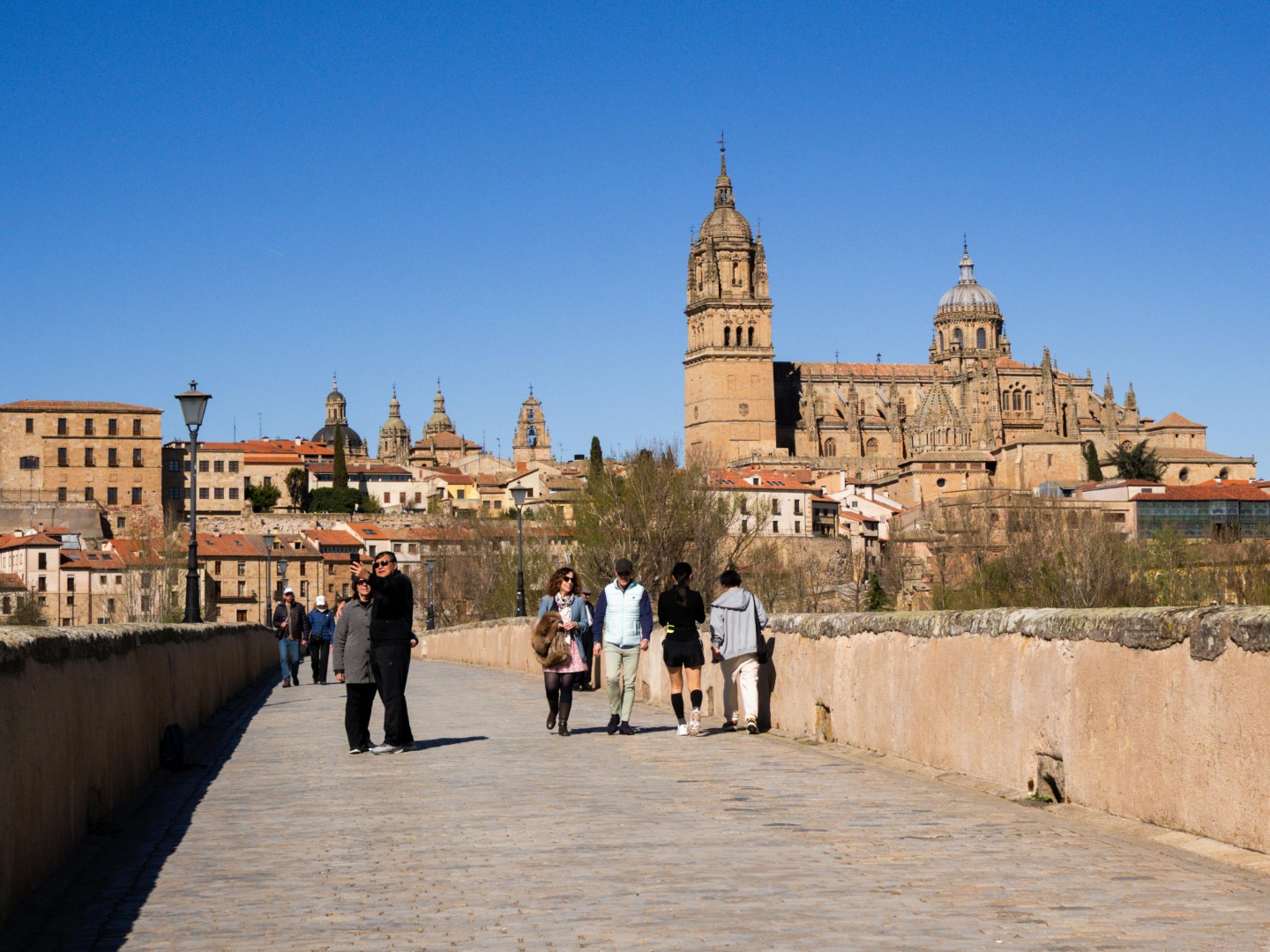
Students will experience the local customs and immerse in the local culture by participating in our organized cultural and social activities. Students will have a guided tour of the city visiting the most important monuments and sites of Salamanca, such us La Plaza Mayor, La Catedral Vieja y La Nueva, La Universidad de Salamanca…, will participate in a tapas tour tasting the most famous tapas of the city, will have dance classes, intercambios with Spaniards, cooking classes, and many other activities to allow them to have a real cultural flavor of the city.
Resident Staff
All our staff has international experience. All of them have studied abroad and personally know what is to be in a foreign country. Its dedication and professionalism make possible for ALA to provide an essential part of our additional offering: personal attention and constant support to our students. Consequently our students are always guided to be in the best possible condition on health and safety. At the same time our staff knows Salamanca perfectly and recommends our students the best cultural and social options that the city offers along the year.
Staff Biographies
Enrique Rivas – Salamanca Program Assistant
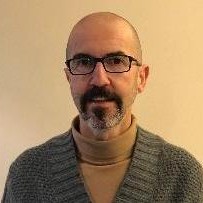
Enrique was born in Salamanca, where he studied Philosophy. The University of Salamanca was founded in 1218 and it is the third oldest university in Europe. After giving much thought to it, he moved to the artsy side of knowledge and came out with a Bachelor’s Degree in Fine Arts from the Universidad Complutense de Madrid. He worked in the field of art restoration for a few years. Then, on a trip to visit a friend in China, he discovered that teaching Spanish renders a livelier feeling than caressing old paintings, so he made a turn in his career. He spent the next three years working as a teacher in Shanghai and as an official examiner for the Instituto Cervantes. When it was time to go back to Spain, he decided to stay in the education field. Enrique was an exchange student in the USA for a year, and understands from his own experience what it is like to live in a foreign country. He enjoys very much working with students and showing them around.