
Destinations
Host University
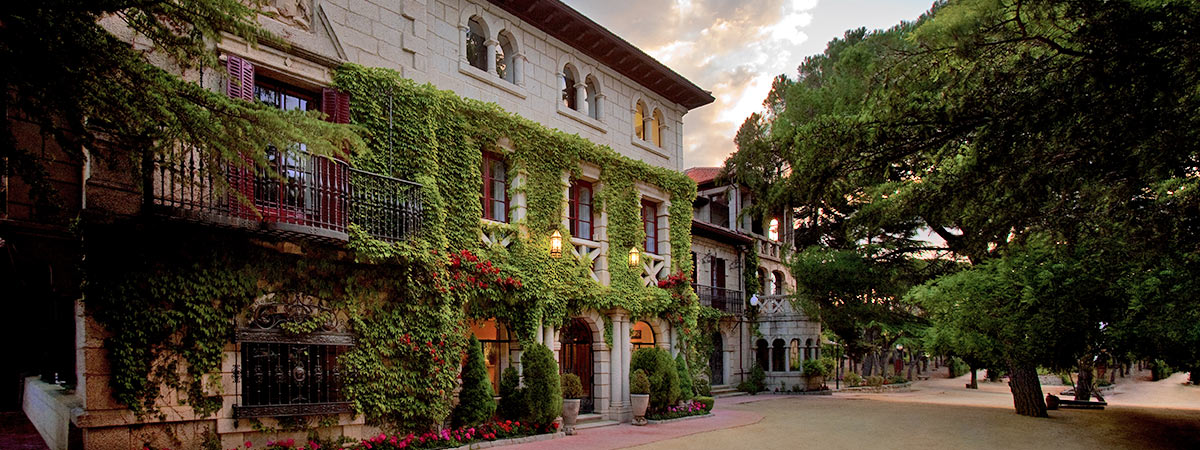
Universidad Nebrija is a private and independent university officially accredited by the Spanish Ministry of Education. The University takes its name from the 15th century humanist who published the first grammar of the Spanish language in 1492. The Centro de Estudios Hispánicos Antonio de Nebrija has three decades of experience in the teaching of and research in Spanish as a Foreign Language. All instructors are native speakers and specialists in Spanish language, literature, history, politics, or art. As a university with an international mission, most of our degrees are offered in a bilingual mode (Spanish and English). We have both native speakers and Spaniards with experience in multinational firms and institutions, all with years of experience teaching their specializations in English.
Nebrija is a university with over 12.000 students from 56 different countries; with a student-teacher ratio of 15 to 1. Students are given individual attention and facilities are located in Madrid, Princesa Campus, where our programs are taught, with easy access via metro and bus. Nebrija also has two other campuses, Dehesa de La Villa, in the outskirts of the city, and Berzosa, in a natural park area. Nebrija receives more than 500 international students each year and has more than 80 agreements with universities world-wide.
Nebrija University is recognized and accredited by the Spanish Ministry of Education as a granting degree high learning institution.
Academic Program
Hispanic Studies (courses in Spanish) and International Studies Program (courses in English).
Overview
Minimum GPA: 2.50
Language of instruction: English and Spanish
Language requirements: None. Open to all levels.
Place of instruction: Princesa Campus, city center.
Participants: International students
Students take a placement exam to determine language proficiency
For semester programs students must choose courses for a total of 180-225 hours (4-5 courses), and 360-450 (8-10 courses) for the Academic Year, each consisting of 45 hours of lectures.
For summer programs students take two courses per session (month) for a total of 90 hours per month or 180 for two months
Courses offered
Hispanic Studies (courses in Spanish) 
International Studies Program (courses in English)
Housing
Students may choose from the following housing options: Home Stay, Residence Halls (at an additional fee), Shared apartments, and Independent living. ALA always tries to provide first student housing choice, but we cannot guarantee it. It is why we recommend students to apply in advance so they have better chances to obtain their preferred option.
Home stay:
Staying with a host family is a way to enrich student’s experience and to reinforce the knowledge gained during the program. We select our families carefully and know them for years. All of them have extensive experience accommodating foreign students. Upon arrival students receive a key of the house so they may come and go as they please. Two daily meals are provided and one laundry load per week.
Residence:
This is an off-campus student’s residence. Spaniards and international students are residents of this option mostly in double rooms, depending on availability some singles may be offered as well. Kitchen and bathroom may be private or shared. There are also common areas. Usually, the residence offers laundry facilities and meals may be, or not, included. An additional fee is required.
Shared apartment:
These apartments are shared by international students. They mostly have double bedrooms, a fully equipped kitchen with cooking utensils, washing machine and refrigerator, and shared bathrooms. Students must respect building community rules and maintain the apartment in decent conditions. The price of accommodation includes the cost of utilities (electricity, gas, water) within reasonable expending. Meals are not included.
Independent living:
This is an option for students who do not want to be lodged by ALA. They will receive a rebate but ALA’s staff will not help them in their housing search.
Excursions
ALA will provide excursions to all students participating in summer, semester and academic year programs. This will allow our students to get familiar with some of the most interesting cities and areas in Spain from cultural, artistic, and historic perspectives. These are some examples of previous excursions:
Barcelona:
Barcelona is a cosmopolitan, avant garde city in the North East of Spain on the Mediterranean coast. It is famous for its artistic works and culture (Gaudi´s works, Picasso Museum, Modernist architecture…, and represents the spirit of the different Mediterranean peoples that have formed its present personality. Barcelona has many museums and architectural creations that will captivate its visitors. Barcelona’s mild climate and its cosmopolitan atmosphere are other two reasons to spend some time there.
Toledo:
Toledo was the capital of Visigoth Spain during the Middle Ages, fact that explains its really impressive medieval architecture. The city is famous for its rich history and for the coexistence of the Christian, Islamic and Jewish cultures. In the Middle Ages, Toledo was the European capital for the study of languages and natural sciences. Its privileged location, and the natural turn of the of the Tagus River, together with its continuous population from ages ago, create a unique city in which beautiful and harmonious buildings of an array of architectural styles.
Segovia:
The old city of Segovia is located at the top of a promontory, originally for defensive purposes, and offers a series of magnificent monuments to its visitors. The most impressive one is the Roman aqueduct. It is one of the most prefect examples of Roman civil architecture, and it was build around 1st century BC. The city is full of medieval and renaissance examples of civil, military and religious architecture among which the Alcázar (fortress) and Cathedral stand out.
Granada:
The city of the Alhambra was the last Muslim city in Spain to be retaken from the Arabs by the Catholic Monarchs in 1492. At the foothills of Sierra Nevada and 30 minutes away from the Tropical coast of the province Granada offers endless opportunities for visitors to immerse themselves in the old Muslim and Jewish quarters of the city and visit the traditional gypsy caves of El Sacromonte where the purest flamenco is performed.
Cuenca:
To find the hidden soul of Cuenca, one must begin by walking along the spinal column of the top of the city, between the rivers Huécar and Júcar and toward the Main Square (plaza Mayor), enclosed on the right side by the 12th century Cathedral gothic façade; and in its front, by the convent of Petras façade. The most breathtaking combination of nature and architecture can be seen in Cuenca´s famous “Hanging Houses.” Inside the houses one may visit the Museum of Spanish Abstract Art and a restaurant, which gives its name to the monument.
Valencia:
It is the capital of the Valencia region and the Spanish Costa Blanca. This Mediterranean city, which is the third largest city in Spain, offers the best paella since this is the place where this Spanish and international dish was created. The old medieval town and the modern Palacio de las Artes y las Ciencias provide visitors with a mixture of old and new architecture expressions. Do not forget to stroll along the Malvarrosa beach and enjoy the social life the city offers.
El Escorial:
Built in 1.557 during the kingdom of Philip II, El Escorial is a temple in honor of San Lorenzo. It is a magnificent mausoleum and a combination of temple, pantheon, and study center and meditation refuge. The great expounders of the Humanism of the Renaissance helped the King accomplish his project which was defined by reason, symmetry and balance, without forget even for a moment the all important austerity he desired. The Monastery can be considered a symbol of the might of the Spanish empire in the 16th Century. The Mausoleum of the Kings holds the remains of all the Spanish monarchs from Charles I to Alfonso XIII.
Activities
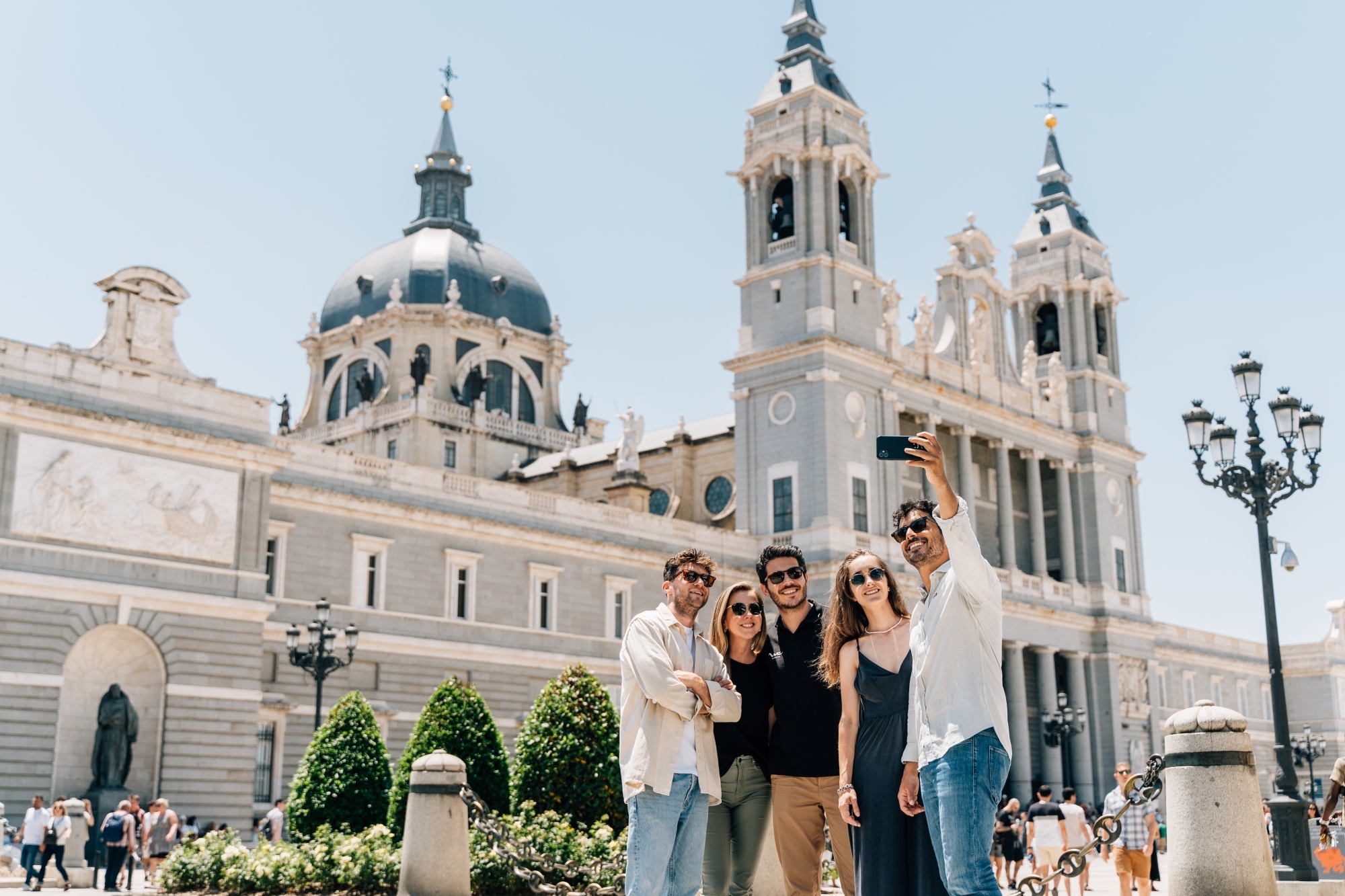
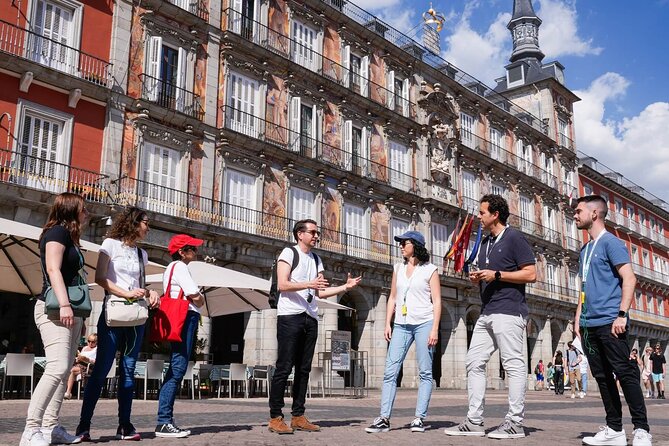
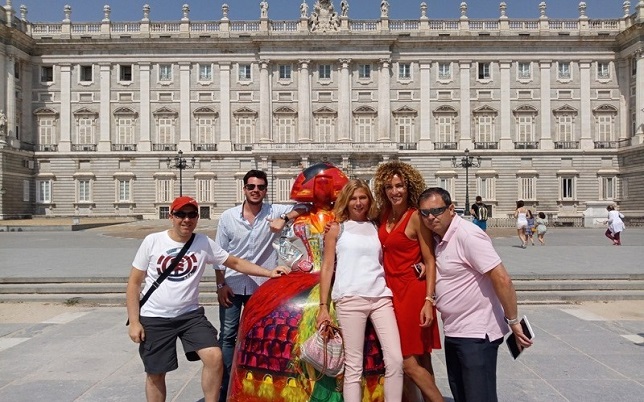
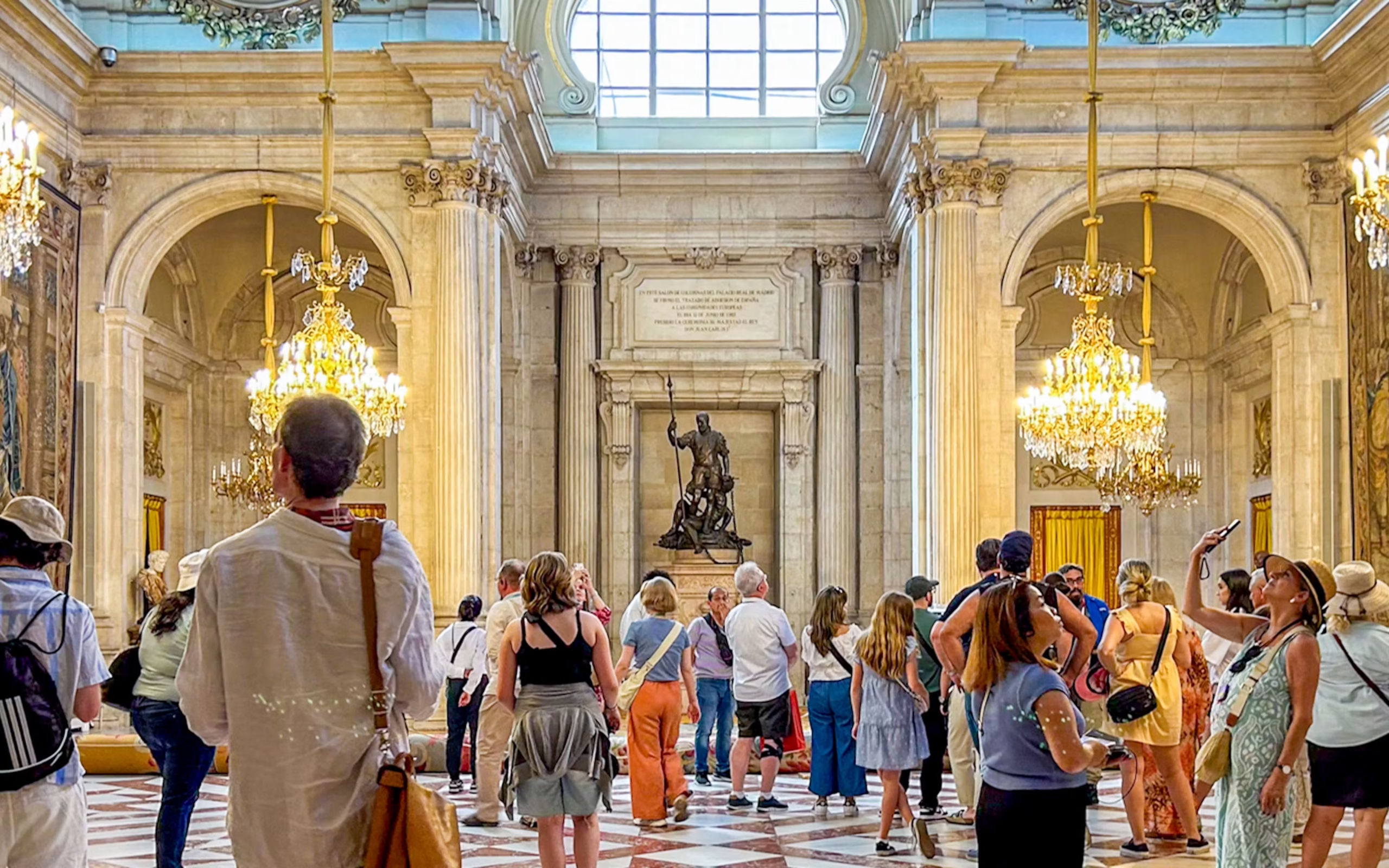
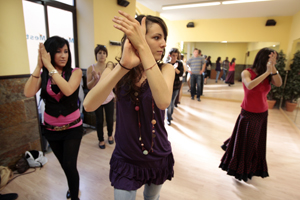
ALA invites its students to experience the local customs and immerse in the local culture by participating in its organized cultural and social activities. We will have a guided tour of the city; will visit the Royal Palace, the Plaza Mayor, the Habsburg quarter, the Retiro Park, the Puerta del Sol, the Gran Vía, and other landmarks of the city.
Resident Staff
All our staff has international experience. All of them have studied abroad and personally know what is to be in a foreign country. Their dedication and professionalism make possible for ALA to provide an essential part of our additional offering: personal attention and constant support to our students. Consequently our students are always guided to be in the best possible condition on health and safety. At the same time our staff knows Madrid perfectly and recommends our students the best cultural and social options that the city offers along the year.
Staff Biographies

Arturo Jarque, Dr. - CEO
Dr. Jarque was born in Alicante where he lived and studied until he moved to the USA. He has a Doctorate in Contemporary History and a Bachelor's Degree in Geography and History from the University of Alicante. He also has a Master of Arts from Louisiana State University and was a Fulbright researcher at Georgetown University in Washington D.C. Professionally speaking, Dr. Jarque was Director of Hispanic Studies for North American Universities at the Universidad de Alcalá, Madrid for nine years and Regional Director and General Manager in Spain for a well-known American study abroad organization for almost seven years. Dr. Jarque was also a teacher for years and has had extensive experience in both the Spanish and American university systems developing academic programs and providing academic related services for American students.
He has a Doctorate in Contemporary Humanities and a Bachelor’s Degree in Geography and History from the University of Alicante.
Marta Guillén – Madrid Program Assistant
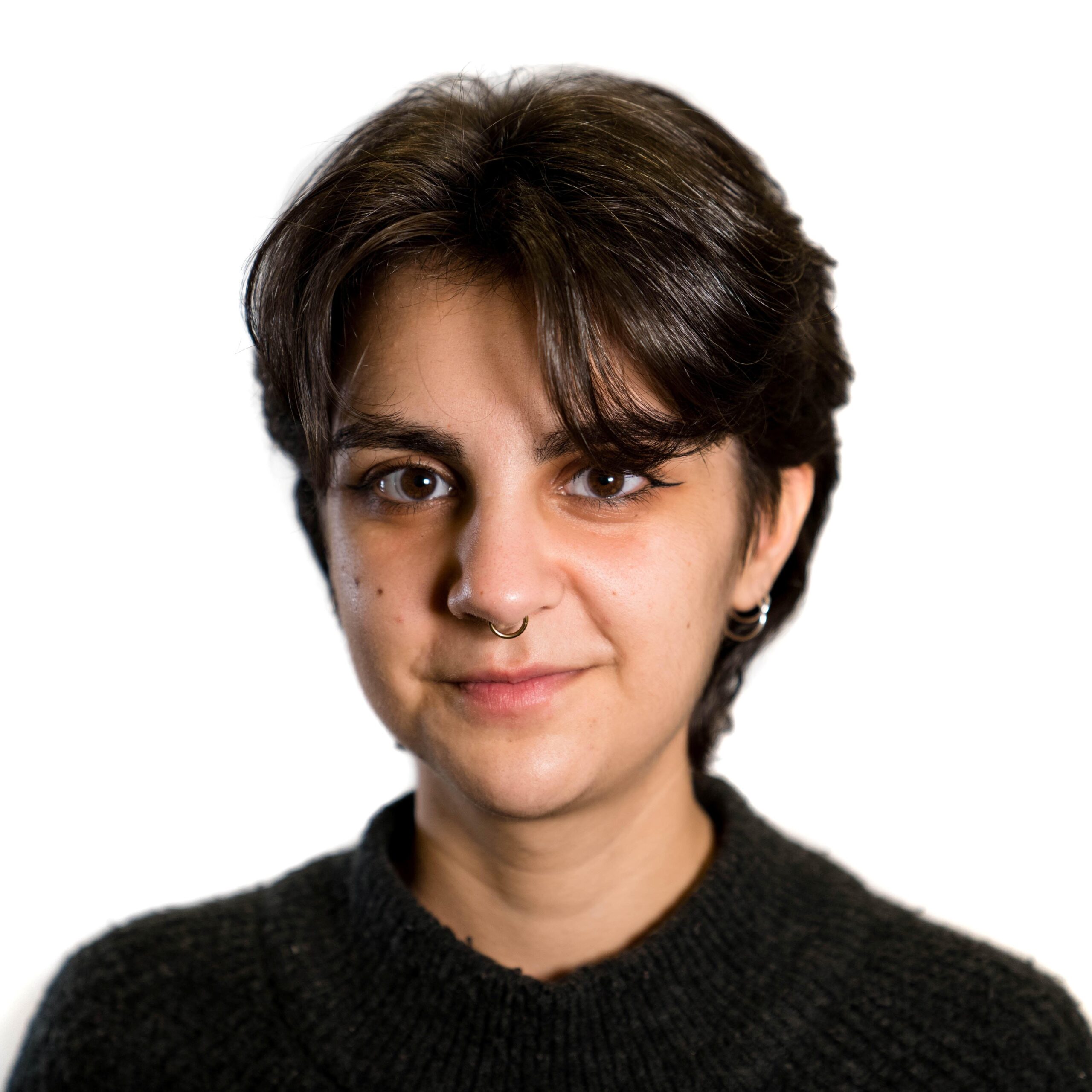
Marta was born and raised in Madrid and holds a BA in Translation and Interpreting from the Universidad Complutense de Madrid. Over the summer of her graduation year, she worked as an editor, translator and cultural mediator in Bari, Italy, where she experienced first-hand the initial shock and obstacles one faces as a foreigner in another country. Marta has also worked as a literary translator and proofreader in English, Spanish and Italian, and has some knowledge of German and Japanese as well. She thrives working in a multicultural environment, where she aspires to employ her professional background and personal skills as a bridge that connects and unifies people from all over the world. As an avid reader and foreign films enjoyer, her passion for learning languages and communication seeps into her hobbies, too.